Our mission

Fresh produce for Arctic communities.

Across the Arctic, fresh food depends on long, fragile supply chains. Agroprojekt Ilua develops greenhouse systems, microclimate design and energy solutions for agriculture in Arctic conditions.

We test and commercialize the work in Narsarsuaq, South Greenland, and share what we can, so other Arctic communities can build on what works.

Support our work

Field baseNarsarsuaq · South Greenland
On siteSince 10 April 2026
Current workMeasure · design · prepare
MethodOpen documentation

What we build

Agroprojekt Ilua works through three connected systems: a greenhouse, a sheltered growing landscape and a light-and-energy programme developed together as one practical platform in Narsarsuaq.

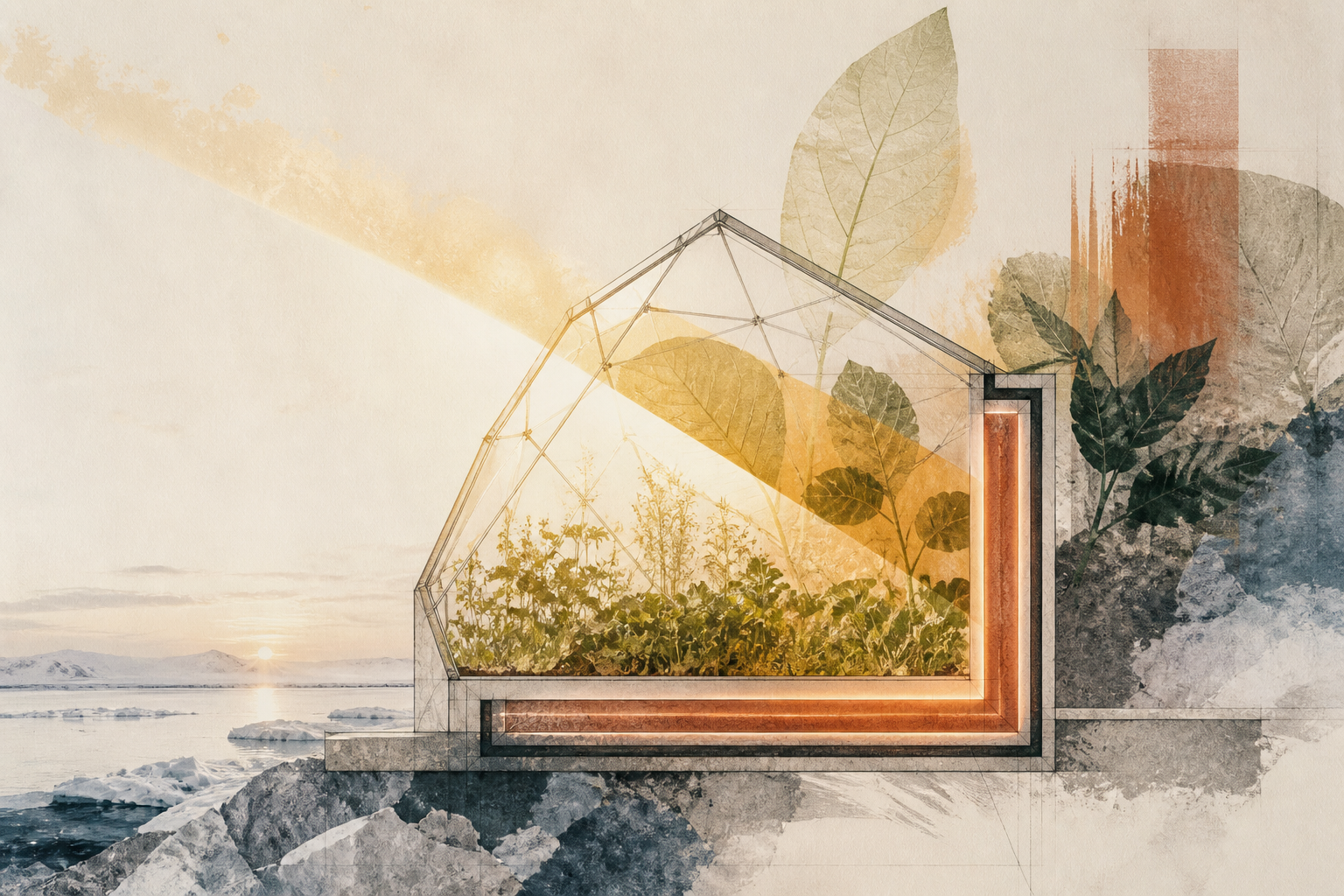
Arctic Ilua modular greenhouse concept visualisation
01
Concept phase

ARCTIC ILUA — An Arctic greenhouse system

A modular greenhouse design for cold, wind, snow, low-angle light and limited energy. The prototype work is documented openly, so local actors can see what works, what does not and what might belong in their own place.

Learn more about Arctic Ilua →

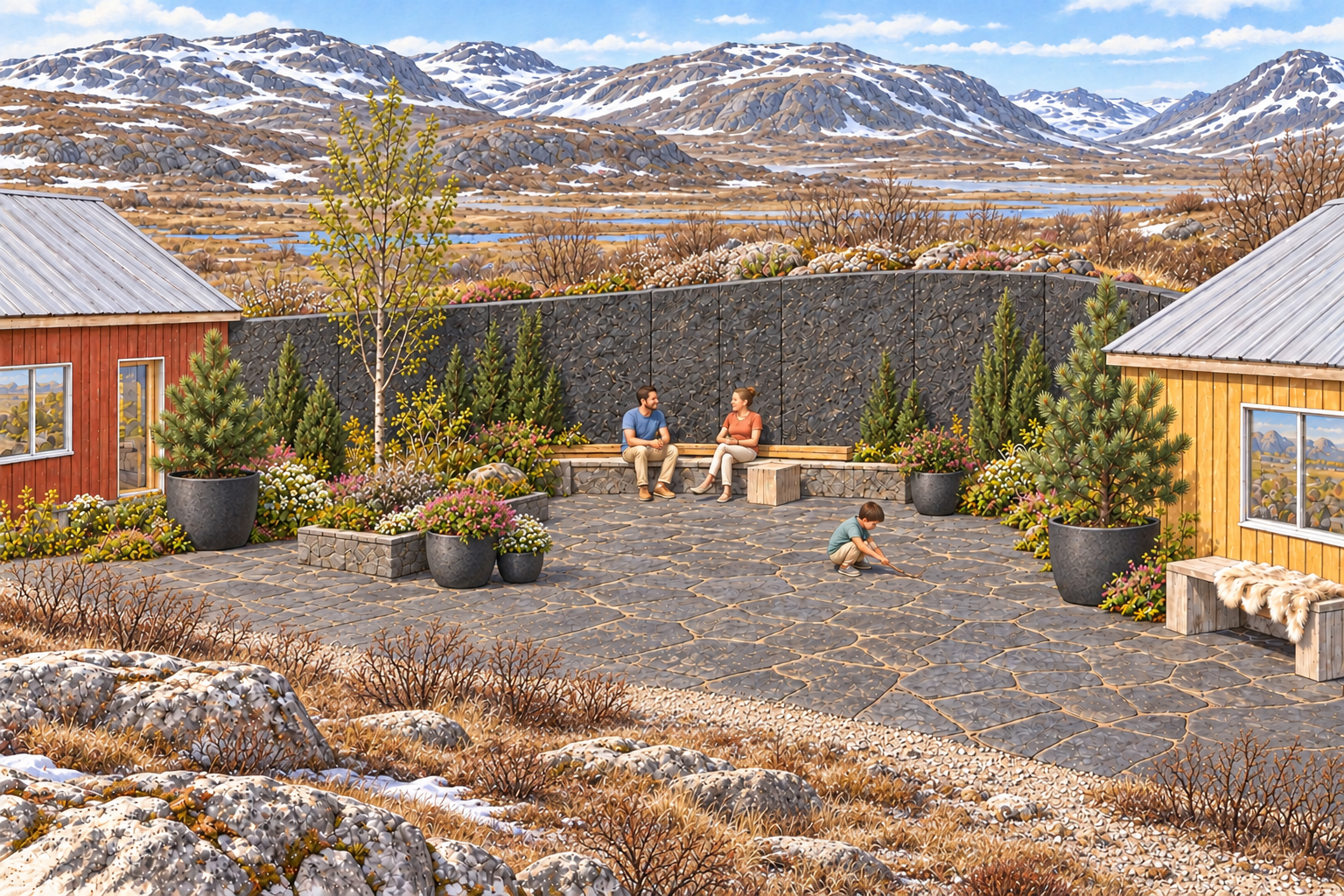
Ilua Sunyard passive microclimate landscape visualisation
02
Active research

ILUA SUNYARD — passive microclimate landscape design

A sheltered growing landscape that uses earth, stone, sun and wind protection to make outdoor cultivation more realistic around the prototype.

Learn more about Ilua Sunyard →

Abstract light and energy visual for Arctic greenhouse control systems
03
Early concept

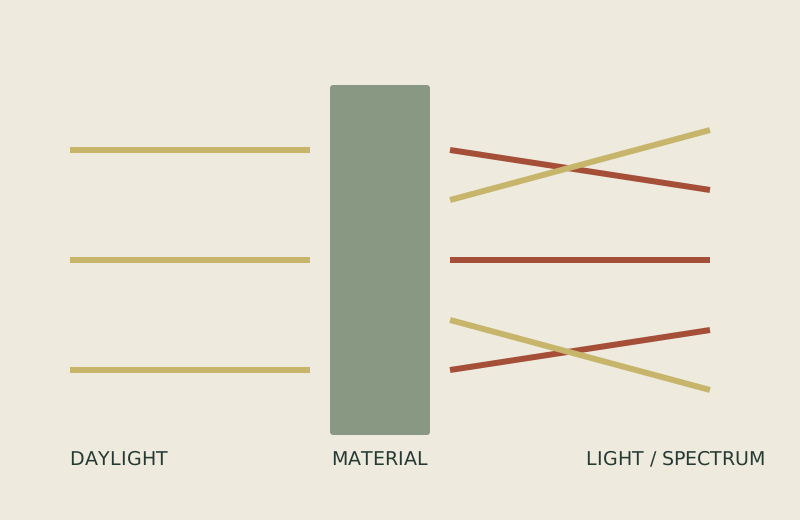
ILUA LIGHT & ENERGY — light, heat and renewable power

The operating layer: light geometry, storage and energy supply developed with the greenhouse and the growing landscape from the first sketch.

Learn more about Light & Energy →

Support our work

First the field work. Then the prototype.

Agroprojekt Ilua has been on-site in Narsarsuaq since 10 April 2026. The current work is the development and decision phase before a physical prototype: measurements, engineering basis, site clarification, crop choices, market validation and operating assumptions.

10 Apr 2026On-site in Narsarsuaq
2026Field work, simulation and design
NowFunding, permits and engineering preparation
NextPrototype decision basis, crop/product trials and open data
  • An institutional financing track is in advanced clarification; written confirmation is pending.
  • Public support / match funding target: approx. $110,000.
  • The public collection permit has been obtained.
  • Field work, simulations and engineering preparation are underway.
  • The goal is a measured path from prototype work to useful local production.

Support our work

Field journal by email

Get field notes by email. Occasional updates from Narsarsuaq. No marketing churn.


Why Narsarsuaq

Narsarsuaq means the Great Plain in Kalaallisut.

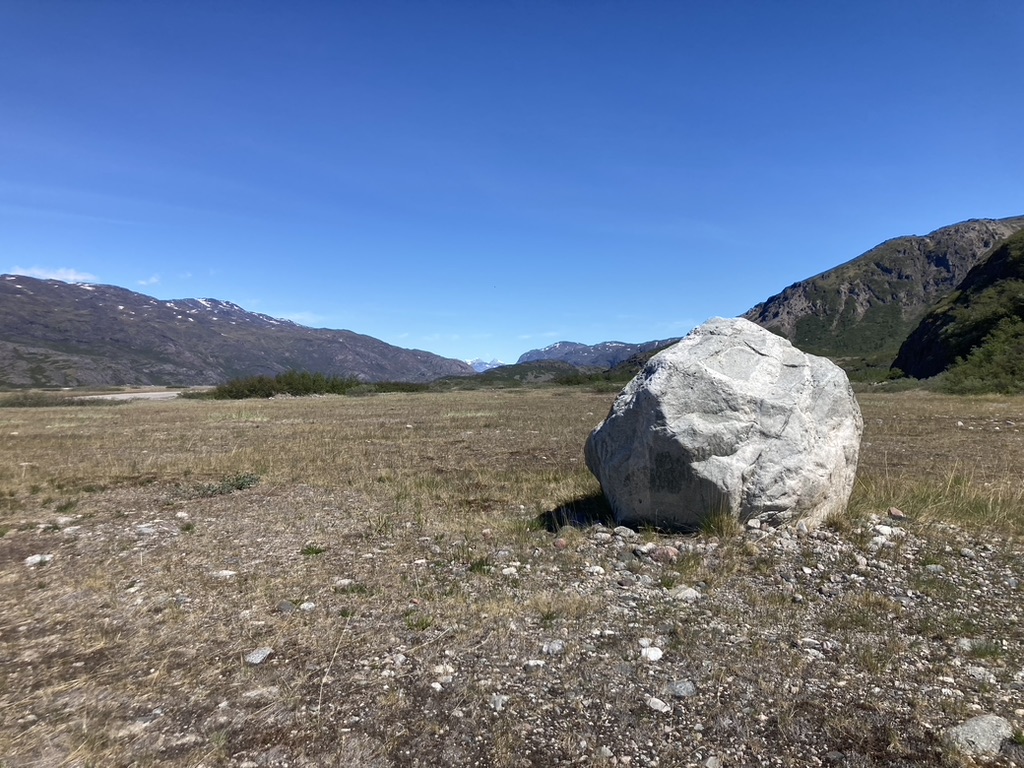
It lies deep inside Tunulliarfik Fjord in South Greenland, where the broad valley stretches from the mouth of the river and deep into the interior.

Here, Ilua can turn the fresh-produce question into practical field work. Roads, a harbour, flat land and technical systems are already here.

Narsarsuaq is not a promise. It is the first reference, test and operating site: a place where documented plant growth, hard Arctic design conditions and a changing local economy make the work practical rather than abstract.

It is not an easy place. Winter cold, snow drift, strong winds and low polar sun are real design conditions. But this is precisely why the valley matters. If Arctic greenhouse design and protected field cultivation can work here, they can begin to answer a much larger question.

Can fieldwork in Narsarsuaq help define a realistic path toward more local fresh produce in Greenland?

That question is worth testing carefully.

With fieldwork, prototype development, crop trials and open documentation, we measure the site, prepare the first growing systems and let evidence decide the scale.

That is what we are here to build.

  • The first reference, test and operating site for Ilua’s work on local fresh-produce production in Arctic conditions
  • Existing infrastructure, documented plant growth and real Arctic design conditions
  • A practical path from fieldwork to prototype decisions, local production and open methods

Learn more about the site →

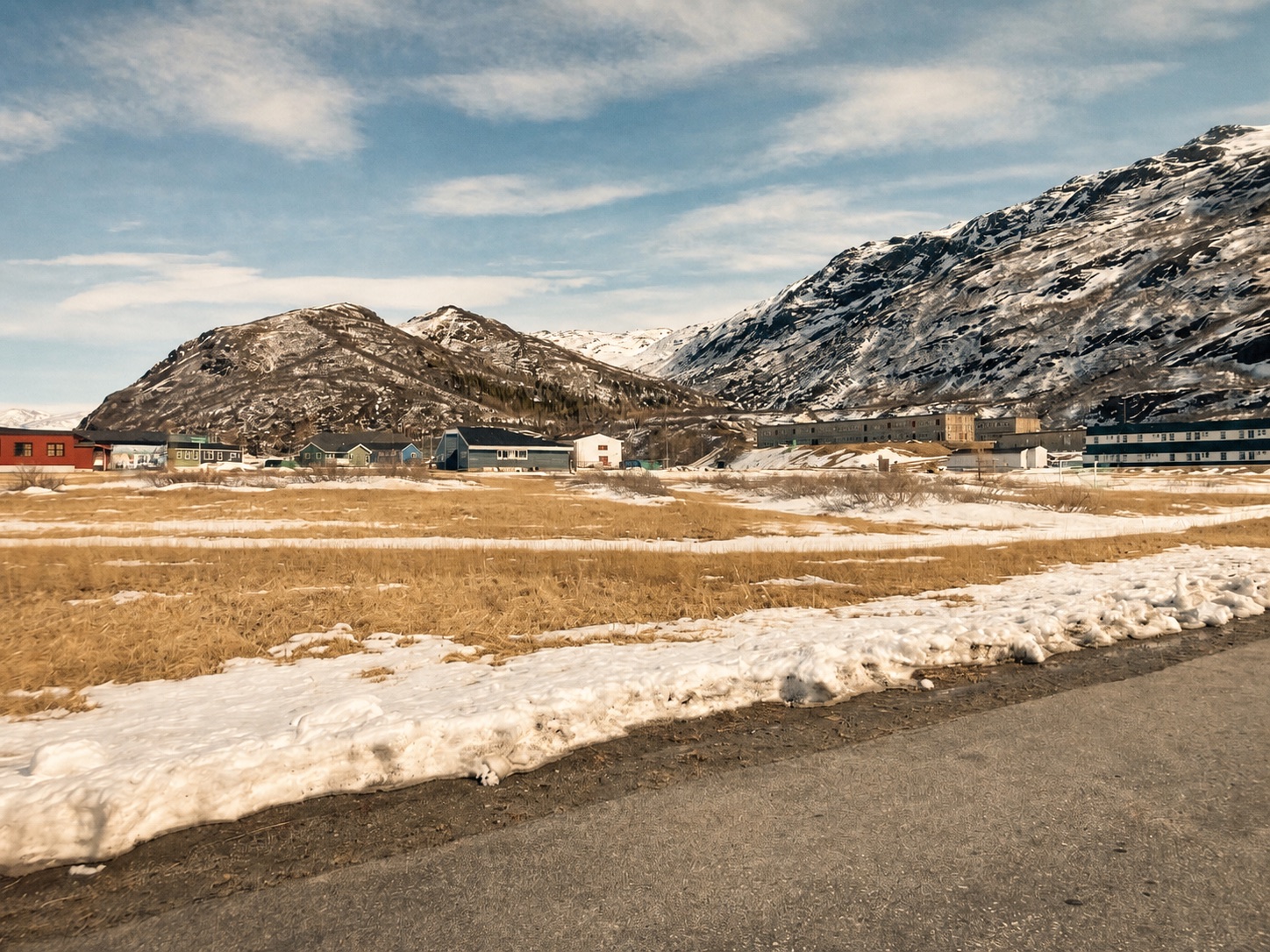
Narsarsuaq valley and settlement context
Narsarsuaq valley · South Greenland · 61.16°N

Why open source

We call this catalyst work. The value is in shared knowledge.

Everything we can share, we publish openly: data, drawings, methods and mistakes. As the work matures, others should be able to inspect it, improve it and use what fits their own place.

Engineering

Drawings

CAD, structural calculations and material lists when the designs are technically ready to share.

Climate & simulation

Data

Site climate data, thermal models, simulations and field measurements from Narsarsuaq.

Operations

Field log

Growing methods, operating routines, decision logs, observed results and failures.

Read the open-source policy →

From field work to production.

Ilua starts with measurements and prototype preparation in Narsarsuaq. The long view is practical: learn what works, publish what can be shared, and let the evidence decide how far the work can grow.

01

A measured prototype in Narsarsuaq

Field work, design preparation, crop trials and prototype decisions are documented as the work moves from idea to measured reality.

02

An open record of results, methods and decisions

Data, drawings, methods, operating routines, costs, results and mistakes are published openly when they are ready to share.

03

A production path others can build from

As the Narsarsuaq evidence grows, the work can move toward local production and give others data, drawings and routines they can use in their own Arctic context.

Read more about the long-term plan →

Support our work

Support our work in Narsarsuaq.

Every contribution funds the practical work: measurements, engineering preparation, local coordination and open documentation for the first prototype.

Public support and match funding give Phase 1 the runway to turn design assumptions into measured field work, prototype preparation and a clear decision basis.

Phase 1 funding picture

Phase 1 budget: approx. $220,000

Public support / match funding target: approx. $110,000 · institutional financing track in advanced review, written confirmation pending

Choose your contribution